
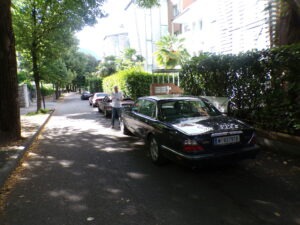
The Alexandra+Michael team set off for Innsbruck as early as Friday, where a small family gathering had been organised in Lans, before arriving in Feldkirch on Saturday alongside the first teams.
Team Maria and Heinz also set off on Friday to visit classic car painter Jörg Egger in Hallein. The thermoplastic paintwork on the XJS-C convertible is due to be repaired next winter.
They then travelled on to the Krimml Waterfalls, where they met up with Team Brigitte and Michael and visited the magnificent waterfalls. Marion and Wolfgang joined them for dinner.
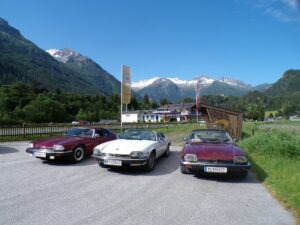
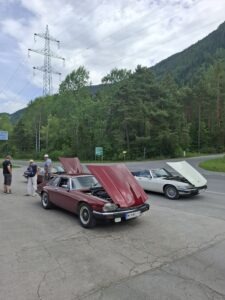
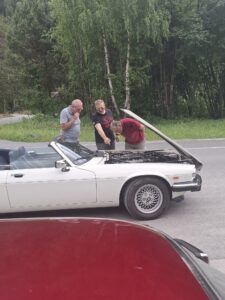
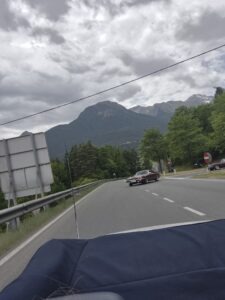
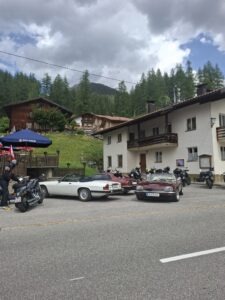
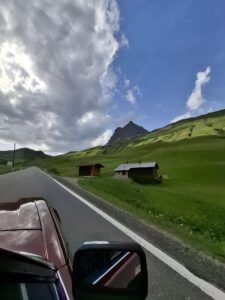
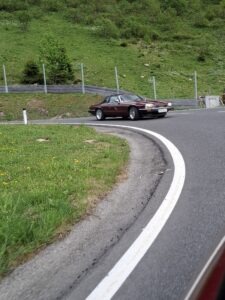
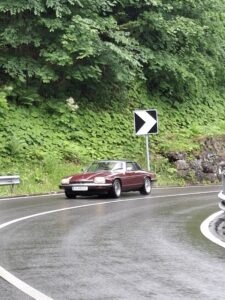
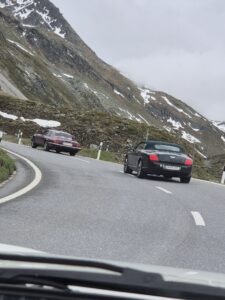
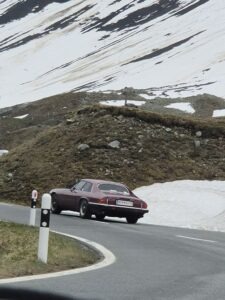
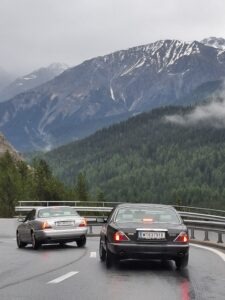
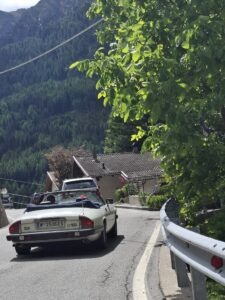
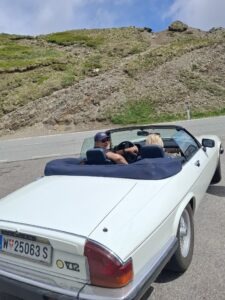
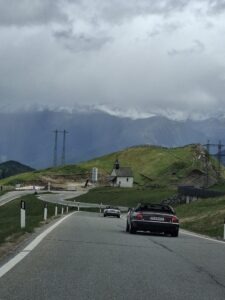
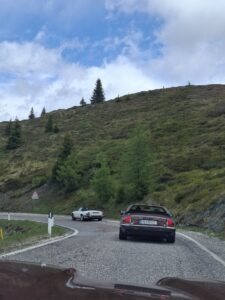
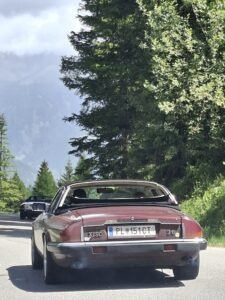
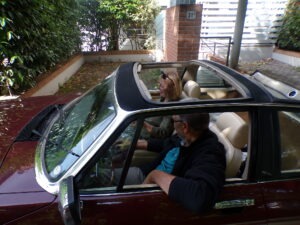
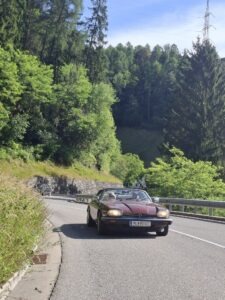
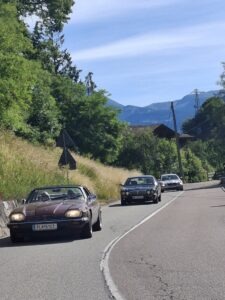
These three teams made their way through the Zillertal towards the Inn Valley, turning off at Kematen towards Kühtai, then on to Imst and over the Hahntennjoch into the Lech Valley to Warth. A stunning route, full of bends and winding past snowfields and scree slopes. Back in the valley, all three XJS cars faced the same issue: stopping and letting the brakes cool down.
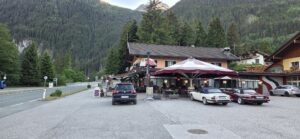
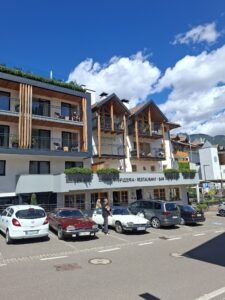
For these teams, too, the destination was the Hotel-Restaurant Löwen in Feldkirch.
On Saturday, the Alexandra+Michael team wanted to travel to Vorarlberg via the Silvretta High Alpine Road. A sign indicating that the Silvretta road was closed had already been erected at the Landeck motorway exit. Due to extensive repair work following rockfalls and mudslides, the route is expected to remain closed to through traffic until summer 2030. From the Tyrolean side, the route is passable as far as Bielerhöhe and is accessible toll-free in summer. So the team carried on. The avalanche barriers erected following the avalanche disaster in Galtür are worth seeing but also serve as a stark reminder. After the third road closure, they turned back. So it was back to Landeck and onto the Arlberg Expressway as far as the Schnann exit. There, the Alexandra and Michael team enjoyed lunch at the Ruetz bakery. Via the Arlberg Pass, they reached Feldkirch and the Hotel-Restaurant Löwen.
The Brigitta and Alberto team set off from Tribuswinkel towards Saalbach, spending the night at the Saalbach Suites. A meet-up with other teams was planned at the Krimml Waterfalls. However, the schedule prevented this, so this team continued on via the Gerlos Pass, through the Zillertal valley to the Inn Valley. They, too, preferred to travel via the Arlberg Pass rather than through the Arlberg Tunnel to reach the Hotel-Restaurant Löwen in Feldkirch.
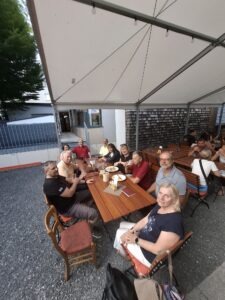
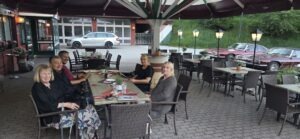
Over a joint dinner, each team was able to recount the many experiences they’d had on the journey.
Sunday:
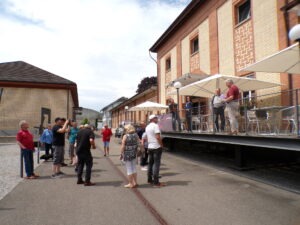
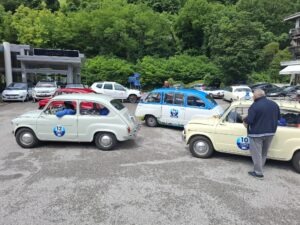
A further four teams travelled to Feldkirch on the motor coach, where almost all the teams met for breakfast at the Schnell bakery. We were now ready to set off on the Swiss Tour together.
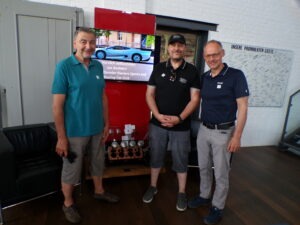
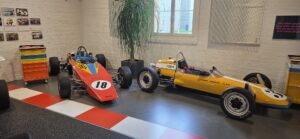
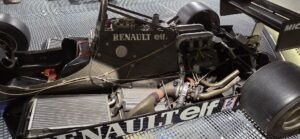
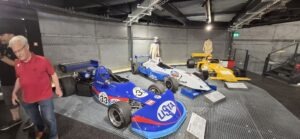
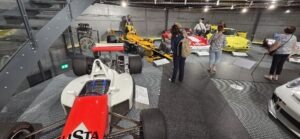
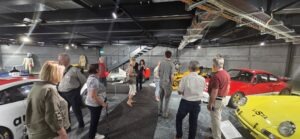
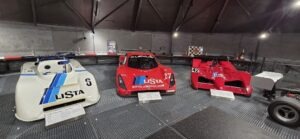
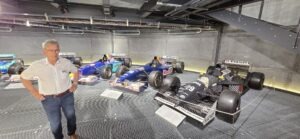
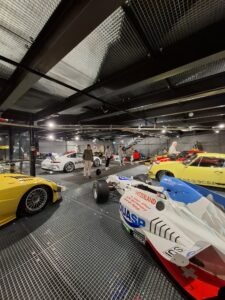
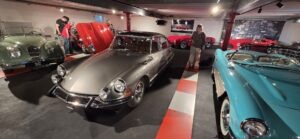
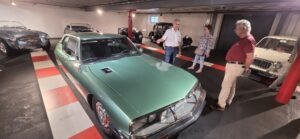
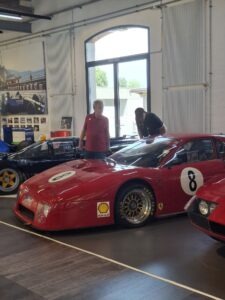
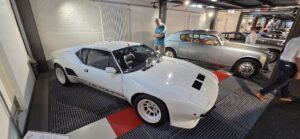
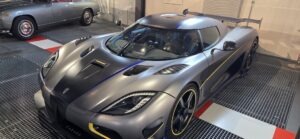
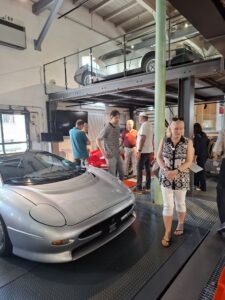
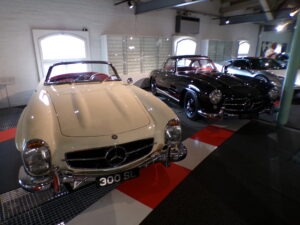
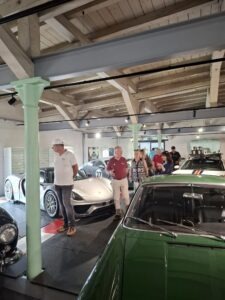
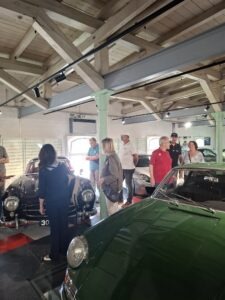
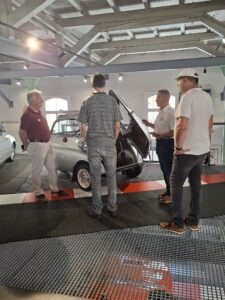
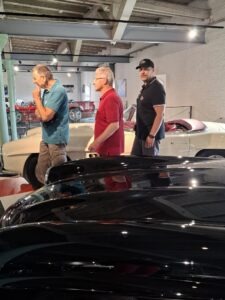
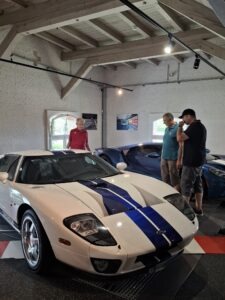
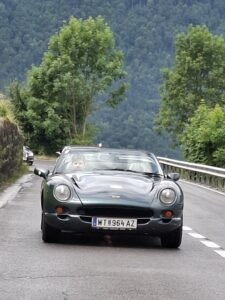
Our destination was the ‘autobau Erlebniswelt’ in Romanshorn on Lake Constance. There we also met our friends Dieter, who had travelled in his Bentley, and Bernhard, who had come in his TVR.
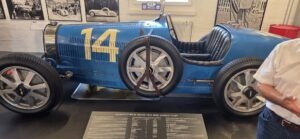
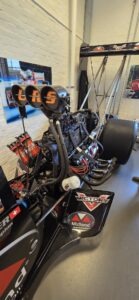
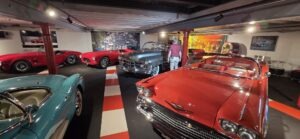
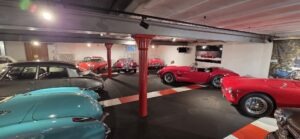
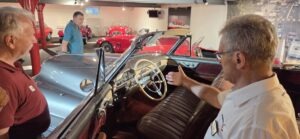
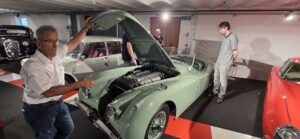
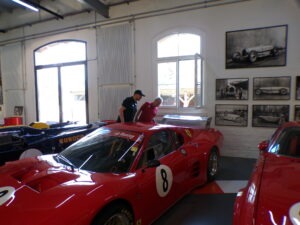
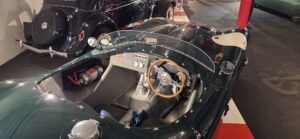
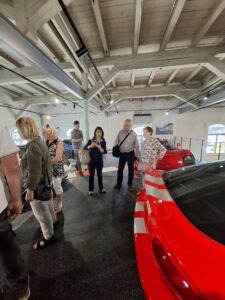
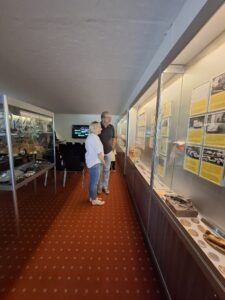
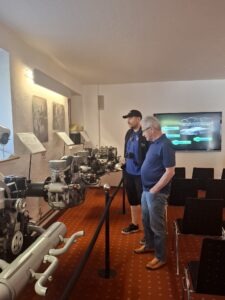
Two guides took us through the car collection, which was founded in 2007 by the racing driver and industrialist Mr Fredy Lienhard. With one exception – the Bugatti Type 35 from the 1920s – the collection consists solely of cars produced between 1947 and 2010. All the cars are roadworthy and are showcased at various events.
A light lunch rounded off the visit.
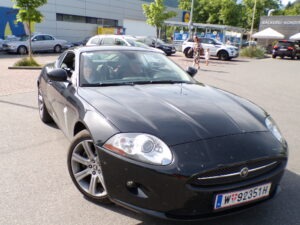
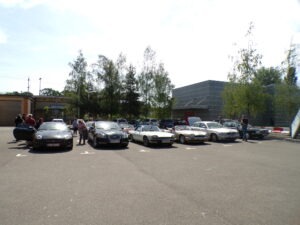
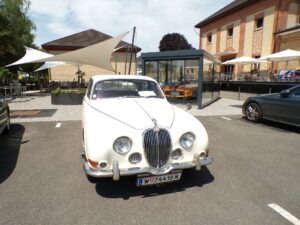
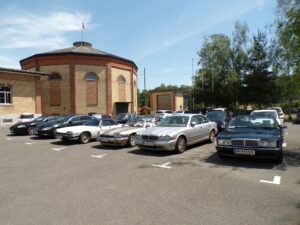
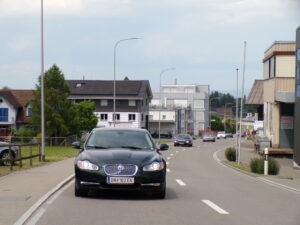
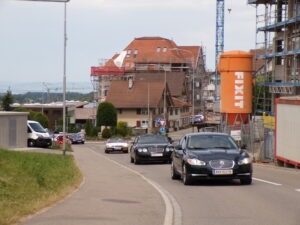
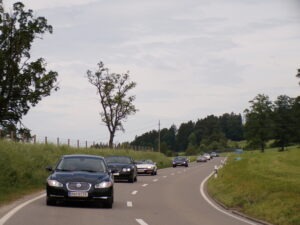
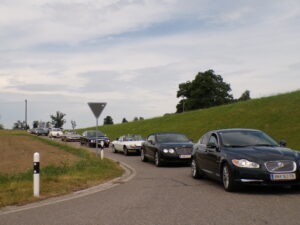
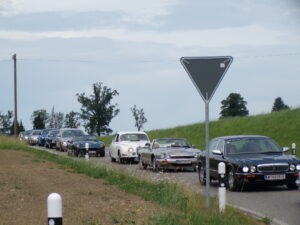
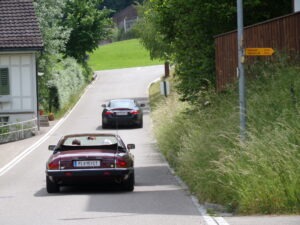
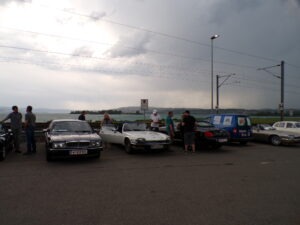
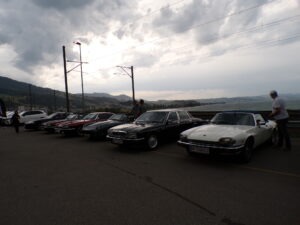
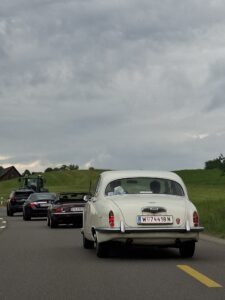
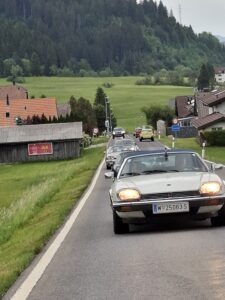
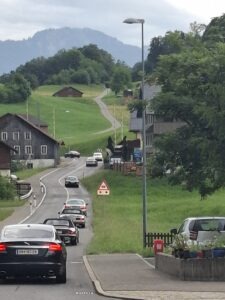
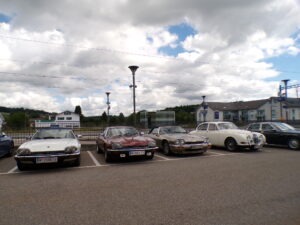
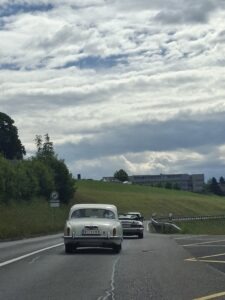
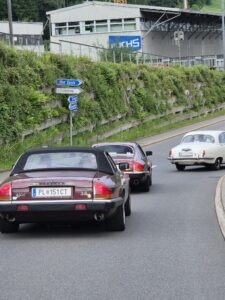
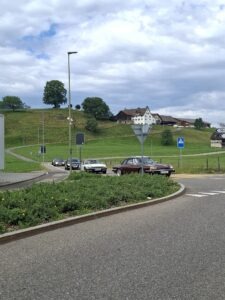
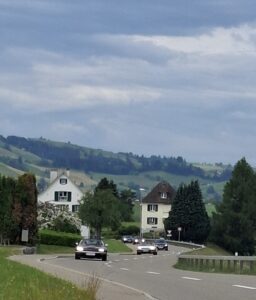
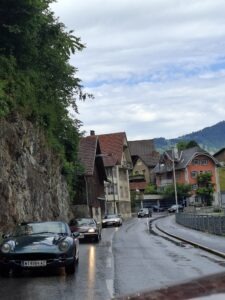
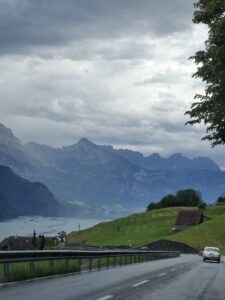
Well-fed and full of new impressions, we were able to continue our journey towards Lucerne. The route took us through the hilly countryside around St. Gallen. The lovely weather was interrupted by a brief rain shower, which prompted the convertible drivers to quickly close their tops. We reached Rapperswil on Lake Zurich and followed the road over a bridge and along the embankment to the Gasthof Seefeld in Hurden for a short coffee break. At the end of the causeway, we reached Pfäffikon and, shortly afterwards, entered the canton of Schwyz; after passing through Küssnacht, we entered the canton of Lucerne. At the other end of the city of Lucerne, we had booked rooms at the ‘Ibis’ hotel. The 12 vehicles now found their well-deserved night’s rest in the car park beneath the hotel.
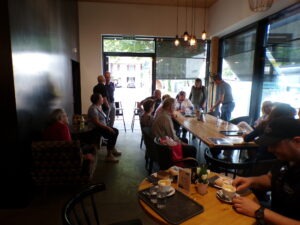
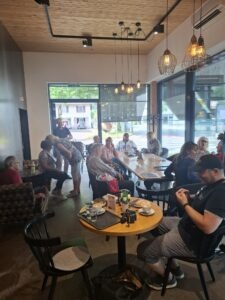
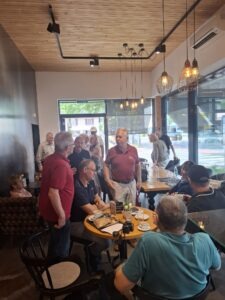
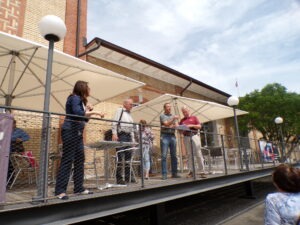
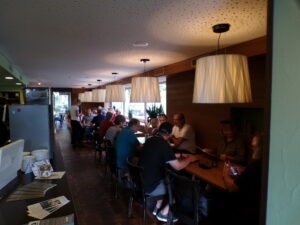
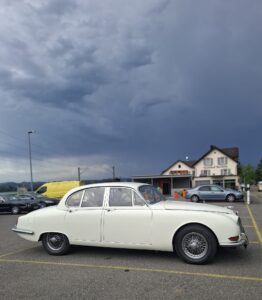
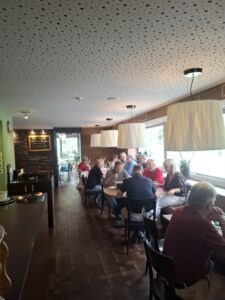
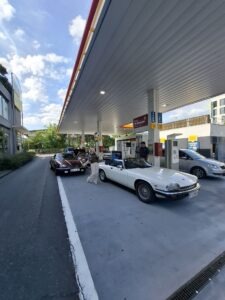
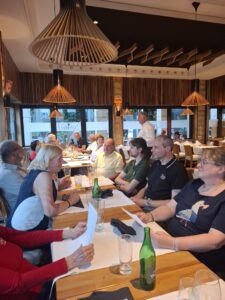
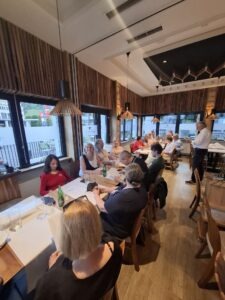
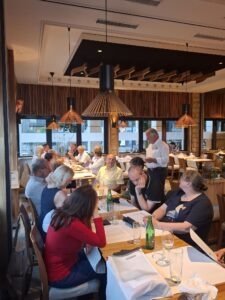
Shortly after checking in at the hotel and settling into our rooms, we headed straight out for dinner. We’d reserved tables at the ‘Steakhouse & Pizzeria Kuonimat’ and enjoyed the excellent food and drinks. Unfortunately, the weather was very changeable and it rained quite heavily at times. The restaurant and the hotel shared the same car park, so we were able to walk back and forth without getting our feet wet.
Monday:
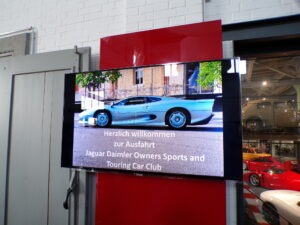
The itinerary for the day included a visit to the ‘Classic Car Centre Emil Frey’ and ‘Dönni Classic Car AG’. However, Michael and three ladies from our tour group decided to go on an excursion around Lucerne instead.
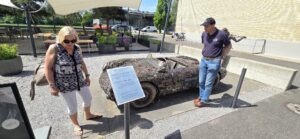
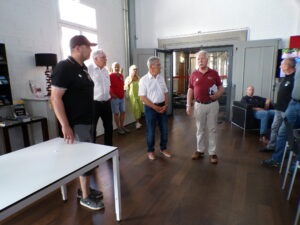
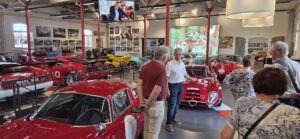
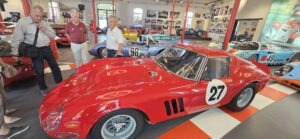
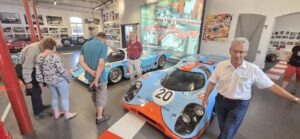
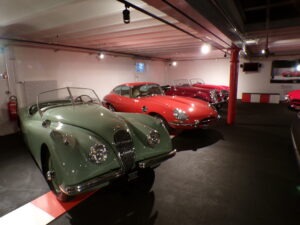
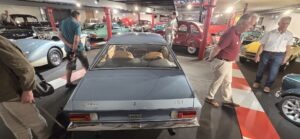
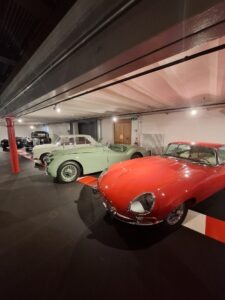
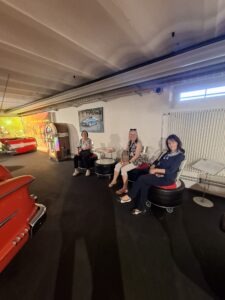
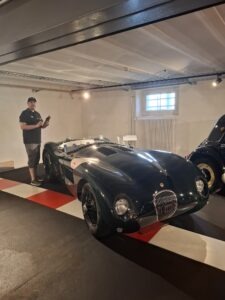
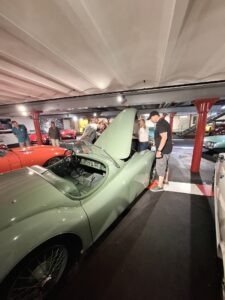
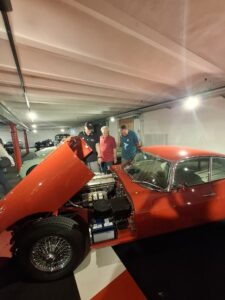
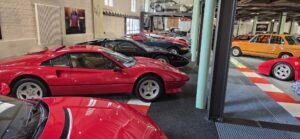
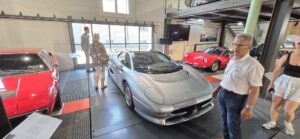
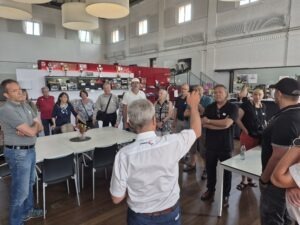
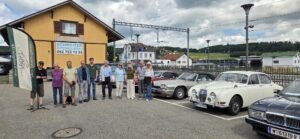
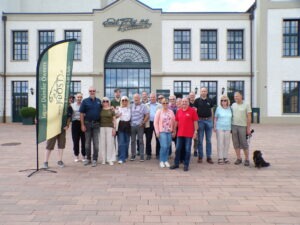
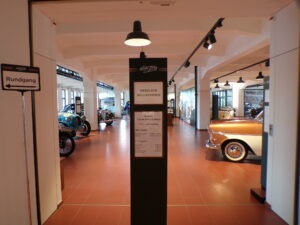
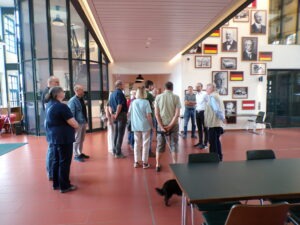
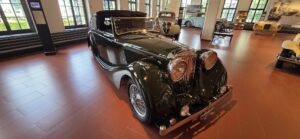
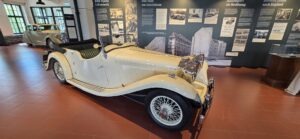
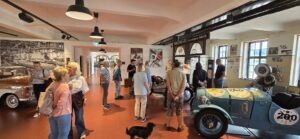
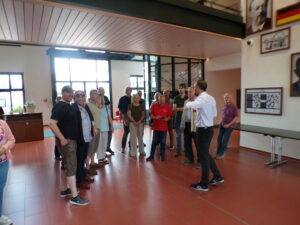
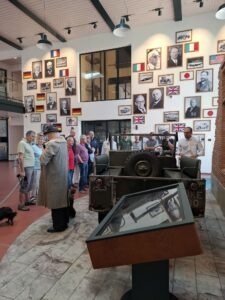
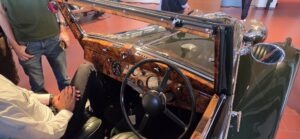
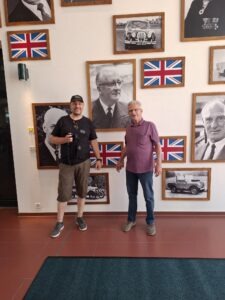
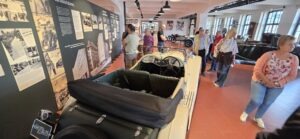
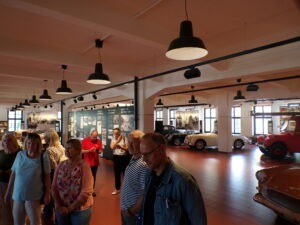
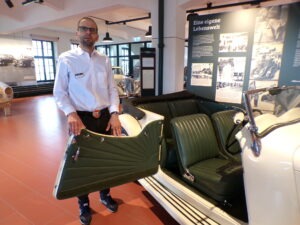
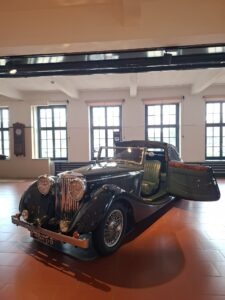
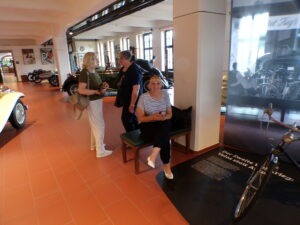
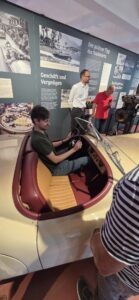
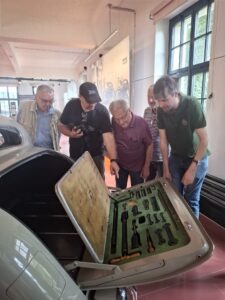
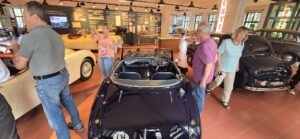
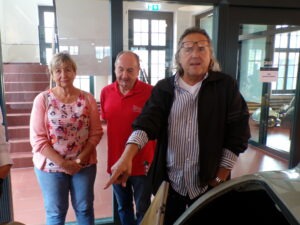
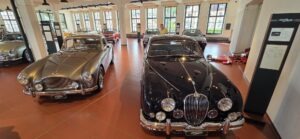
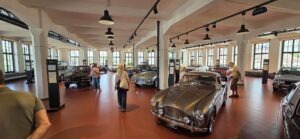
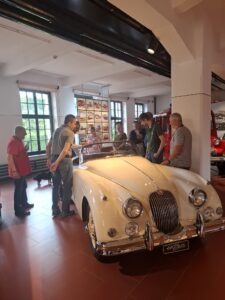
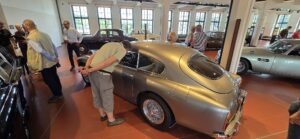
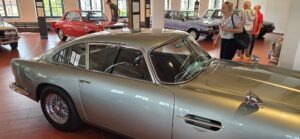
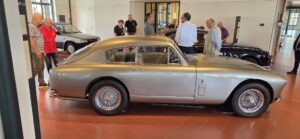
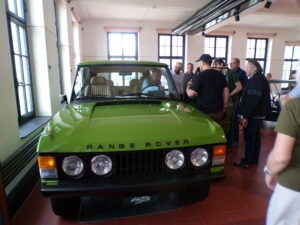
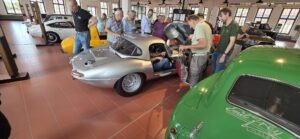
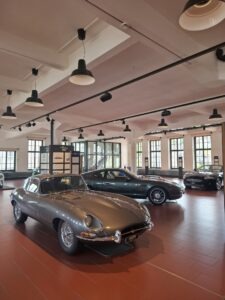
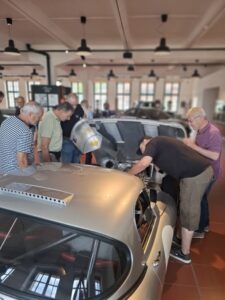
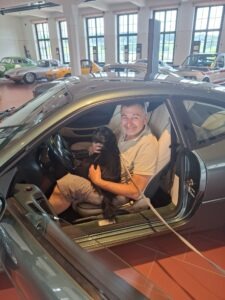
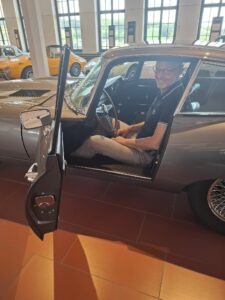
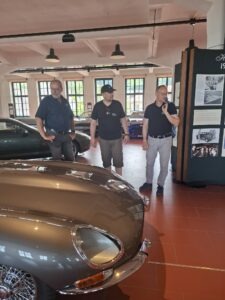
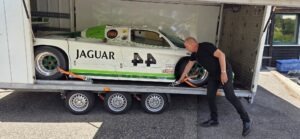
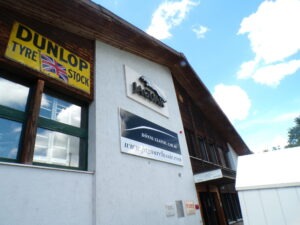
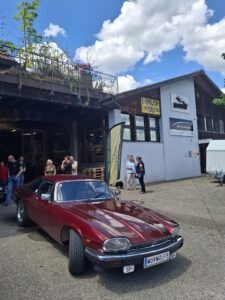
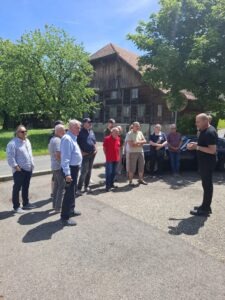
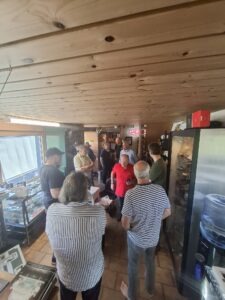
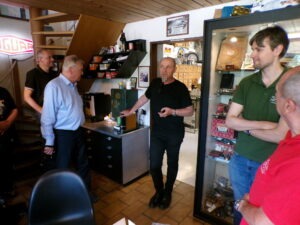
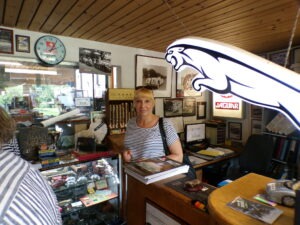
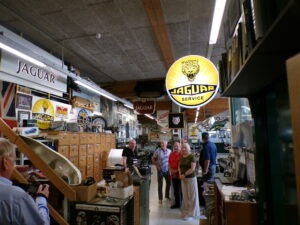
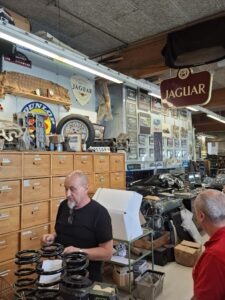
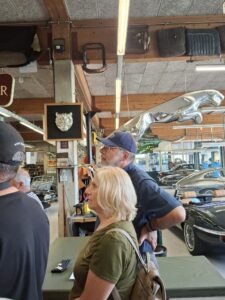
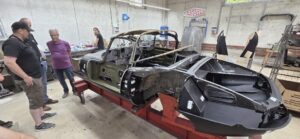
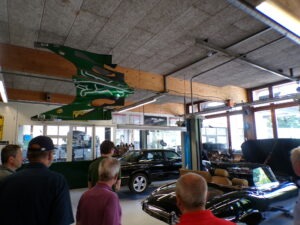
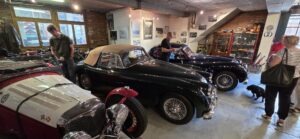
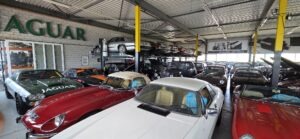
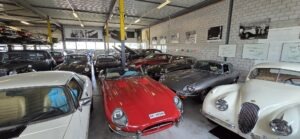
First, some impressions of Emil Frey’s classic car collection: It was not even 60 km from Lucerne to the ‘Emil Frey Classic Car Centre’ in Safenwil. We’d booked a guided tour for 10.00.
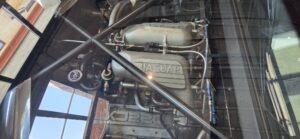
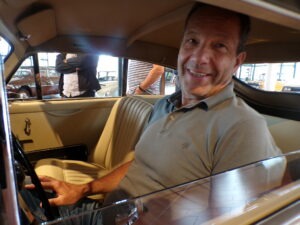
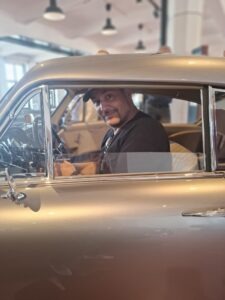
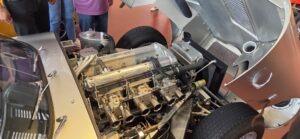
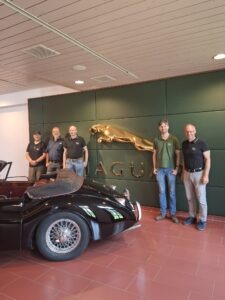
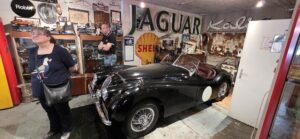
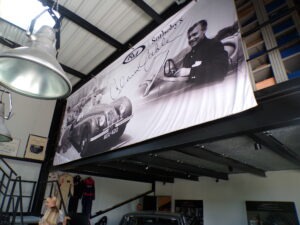
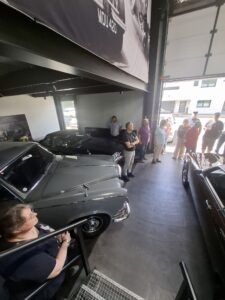
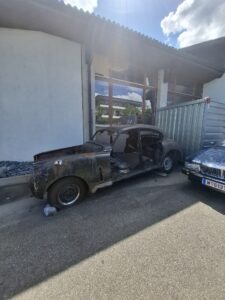
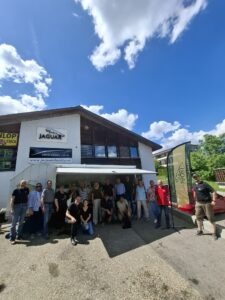
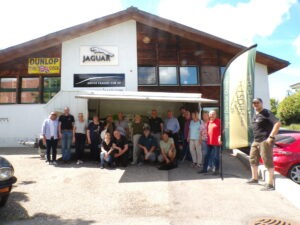
The Emil Frey Classic Centre was a highlight because we were able to see the origins of the ‘Jaguar’ brand there.
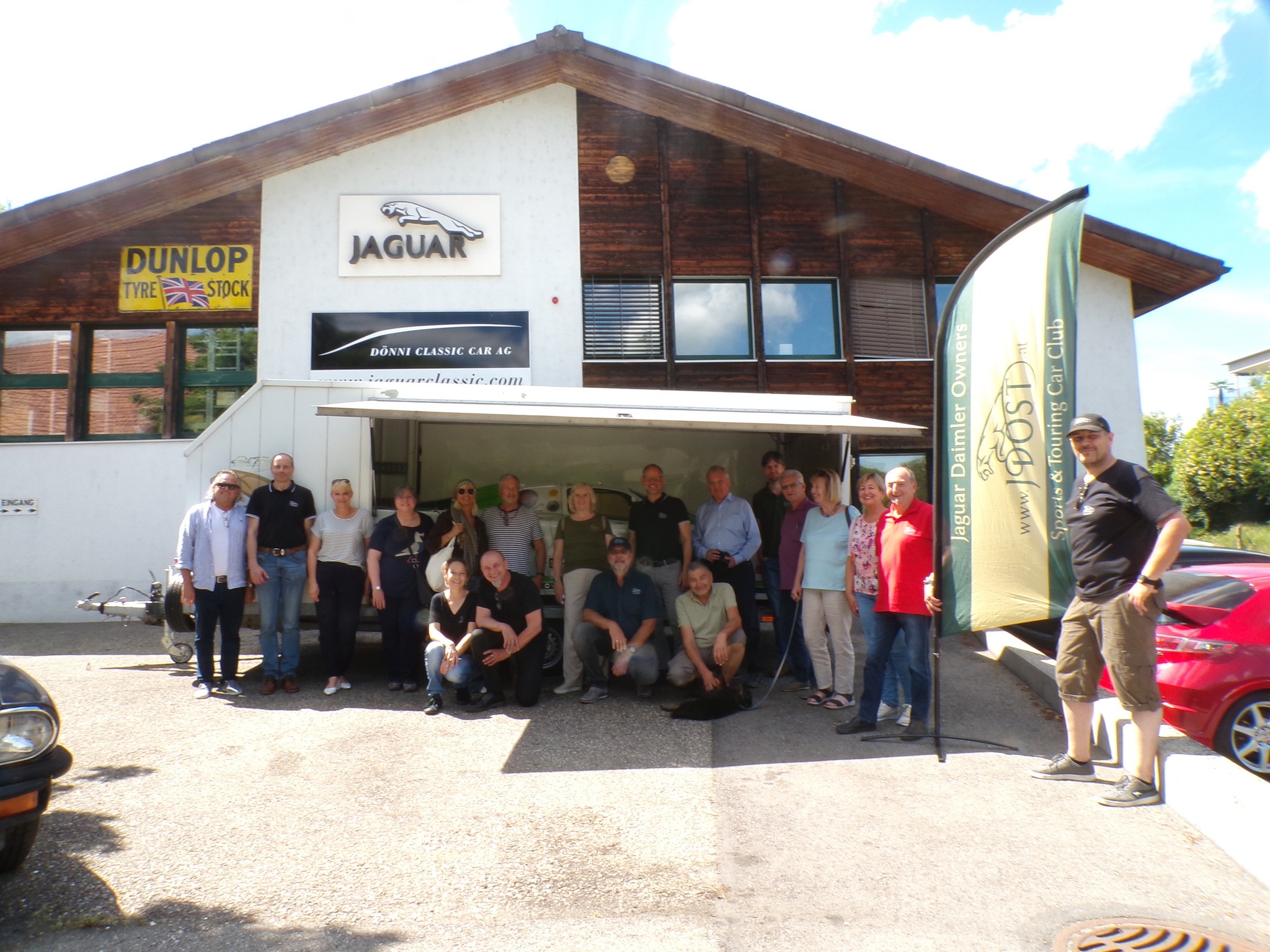
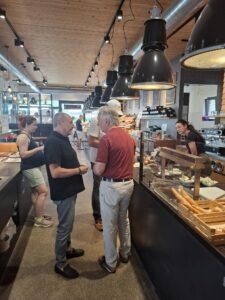
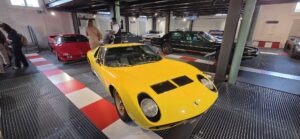
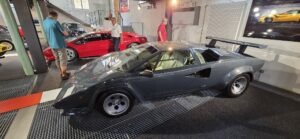
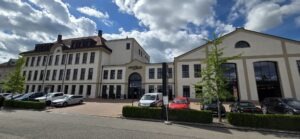
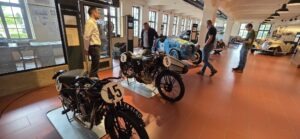
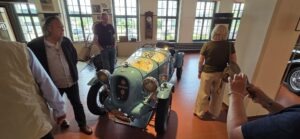
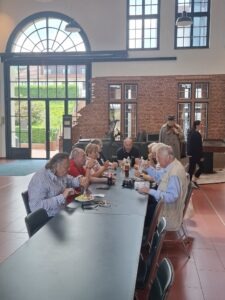
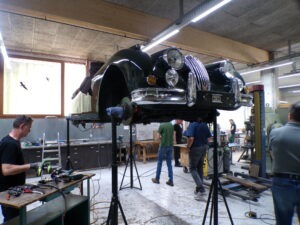
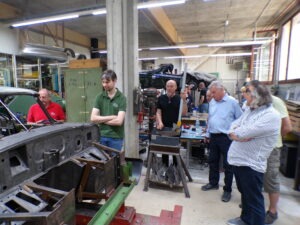
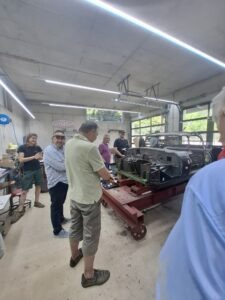
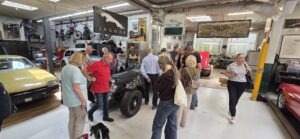
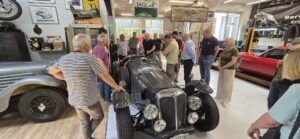
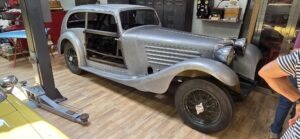
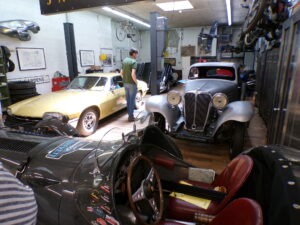
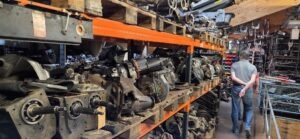
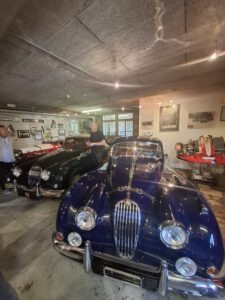
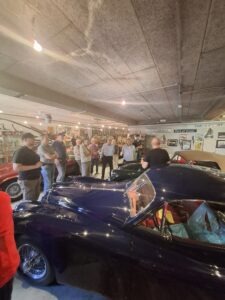
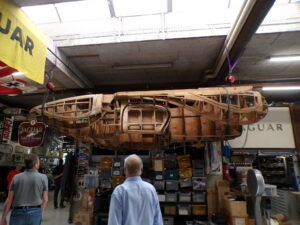
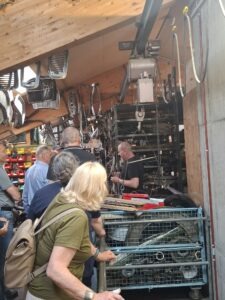
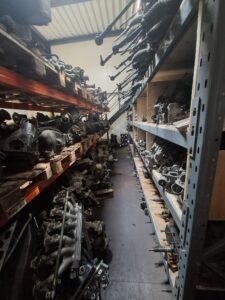
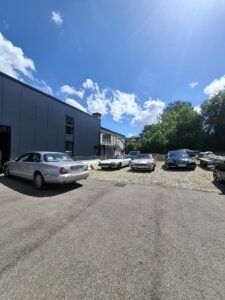
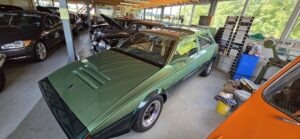
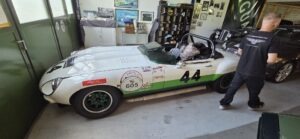
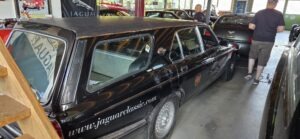
After we’d had a bite to eat at the Emil Classic Café, the journey continued to Dönni in Roggliswil. Our appointment was at 2.00 pm. The previous weekend had seen the ‘Swiss Classic World’, a classic car show in Lucerne. Dönni had had a stand there and was still busy clearing it away that morning.
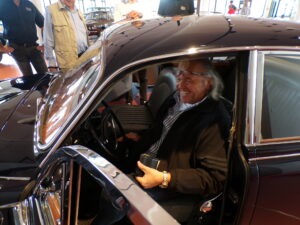
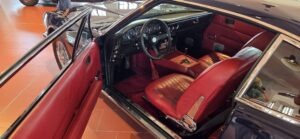
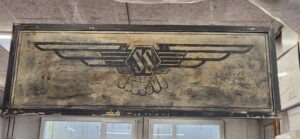
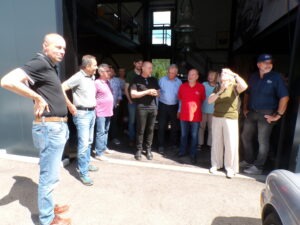
Visiting the ‘Dönni Classic Car Centre’ and being given a guided tour by the extremely friendly and knowledgeable owner was a real treat. We were among the privileged few to whom he granted access to his hallowed halls.
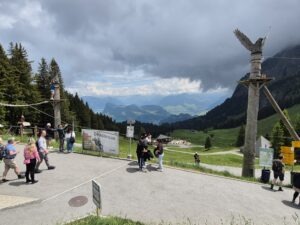
The four ‘renegades’ – A, C, C and M – took part in a guided tour. A coach took the four of them to the Pilatus cable car in Kriens. From there, they first took a four-seater cable car to the Fräkmüntegg station at an altitude of almost 1,500 metres above sea level. Then, in just 3.5 minutes, the modern panoramic cable car glided from Fräkmüntegg up to Pilatus Kulm at 2,100 metres.
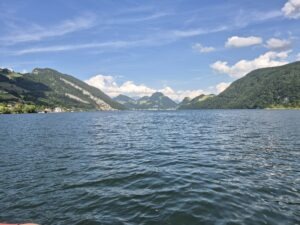
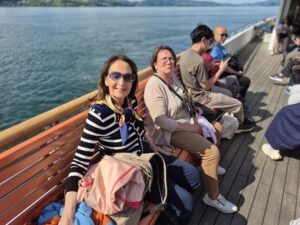
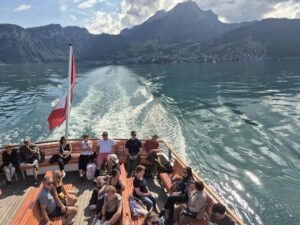
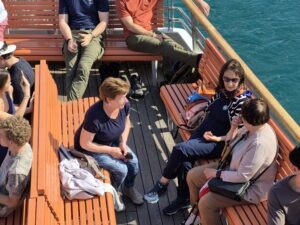
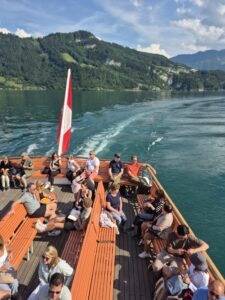
After a short walk and lunch, the world’s steepest cog railway took our group of four down to the boat landing stage on Lake Lucerne. The picturesque, one-hour cruise on Lake Lucerne, in glorious weather, was a lovely way to round off the tour.
For dinner, we met up again at the familiar ‘Steakhouse & Pizzeria Kuonimat’ in Lucerne.
Tuesday:
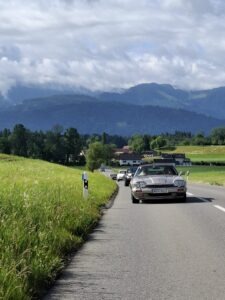
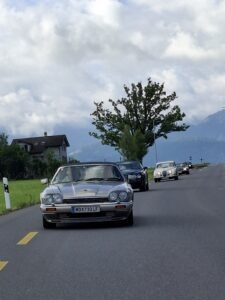
On Tuesday, the 7th stage of our Swiss Tour was already on the itinerary. Our destination was Lake Walen. The first 20 km out of Lucerne to Lake Zug were very gruelling. Numerous roundabouts and passing through towns set us back, so we arrived at the ‘Schifffahrt’ restaurant on Lake Walen almost an hour late.
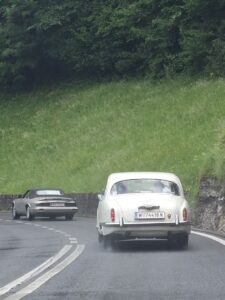
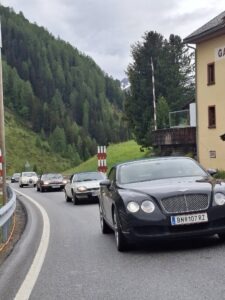
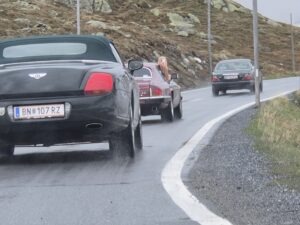
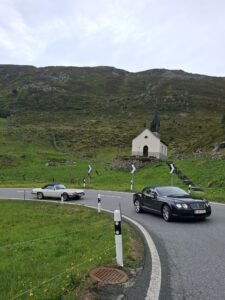
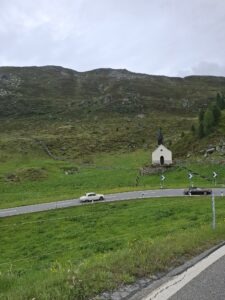
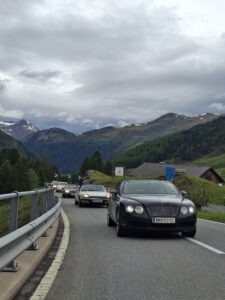
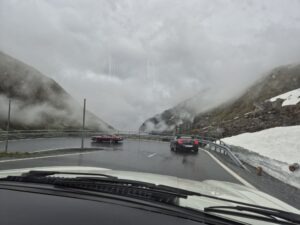
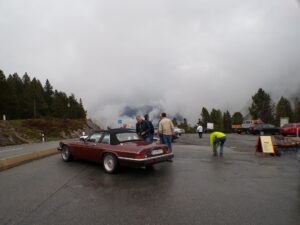
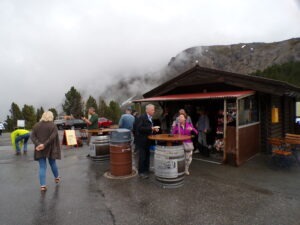
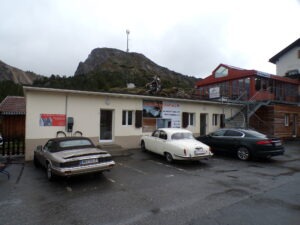
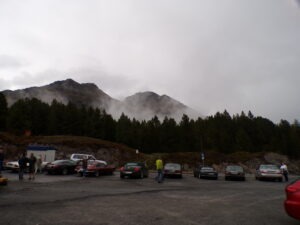
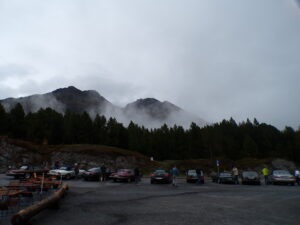
After lunch, the Flüela Pass and the Ofen Pass lay ahead of us. Overcast skies and light rain on the Flüela Pass (2,283 m) meant we carried on to the Ofen Pass without stopping. Once we reached the Ofen Pass (2,149 m), the weather wasn’t any better, but we treated ourselves to a short break before continuing on to Müstair and across the border into Italy.
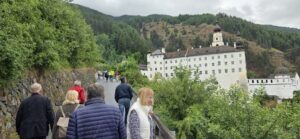
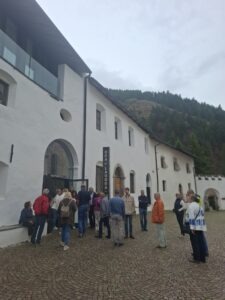
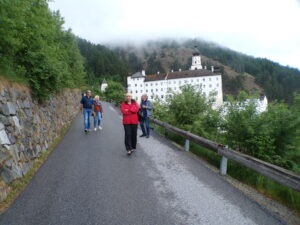
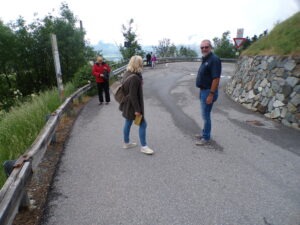
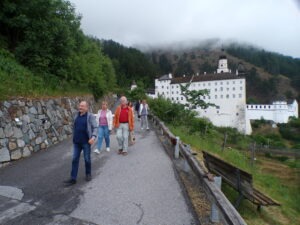
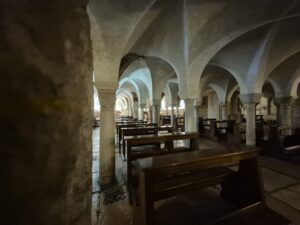
A guided tour of the crypt at the Benedictine Abbey of Marienberg was also on the programme for the day. The small village of Mals is less than 20 km from the Müstair border crossing. Marienberg Abbey is a Benedictine abbey in the Vinschgau Valley (South Tyrol, Italy). Situated at an altitude of 1,340 m, it is the highest-altitude Benedictine monastery in Europe. Founded in the 12th century (around 1149/1150), the monastery is particularly renowned for its Romanesque crypt with its unique frescoes. After the guided tour, we were able to visit the museum and the church. Then the journey continued to Merano.
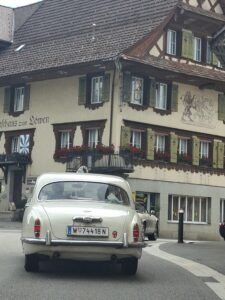
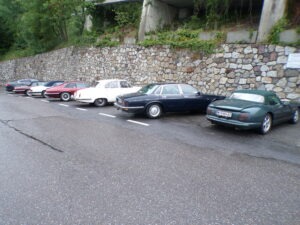
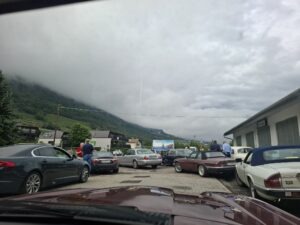
In Merano, we were already being welcomed at the ‘Sittnerhof’ hotel. We parked our cars in the underground car park, checked into our rooms and got ready for dinner. A delicious five-course meal and wines from the hotel’s own vineyard awaited us.
Wednesday:
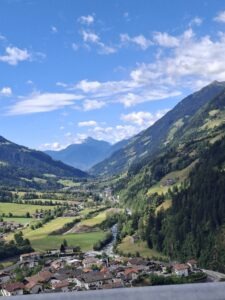
On Wednesday, we walked along the Tappeinerweg, a promenade built above Merano which offers magnificent views across the Adige Valley for long stretches.
Other participants visited Trauttmansdorff Castle and the botanical garden. Even those not particularly interested in plants were able to enjoy the flora and fauna. As well as dwarf hares, goats and sheep in enclosures, large goldfish can be spotted in the pond. There is plenty of food and drink on offer, and for those interested in culture, the castle provides interesting facts about tourism in the region. They returned to the centre of Merano via the Sisi Trail.
Charming cafés invited visitors to take a relaxing break. They visited the local sights and went on a shopping spree in the numerous shops along Laubengasse.
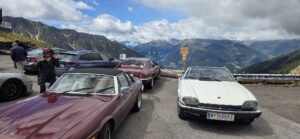
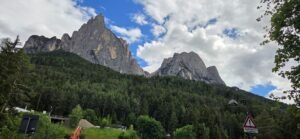
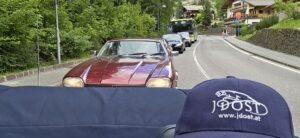
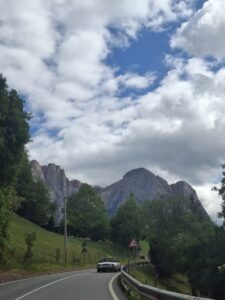
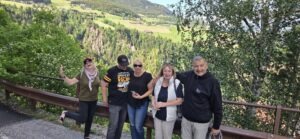
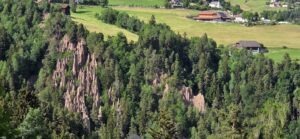
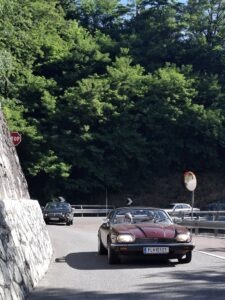
Under Michael’s guidance, three teams raced their cats through the Passertal valley to the Jaufen Pass, continuing towards the Dolomites to Seiseram. They enjoyed spectacular views and soaked up the afternoon sun in a cosy café. Then there was a short detour to the earth pyramids in the south of the Ritten, and we made our way back to Merano via small mountain roads along the Ritten.
Sebastian had other plans too. He took his bike and cycled up the Stelvio Pass.
Back at the hotel, we made the most of the spa facilities. Feeling relaxed, we headed out for dinner in the evening.
Thursday:
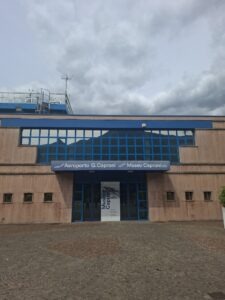
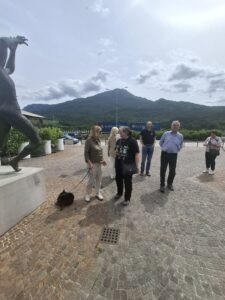
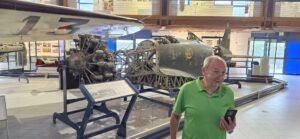
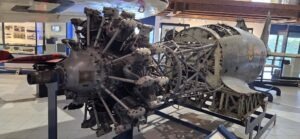
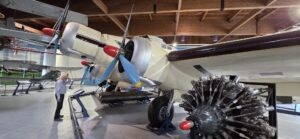
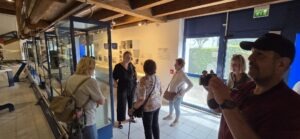
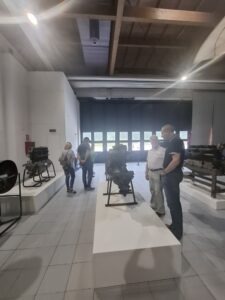
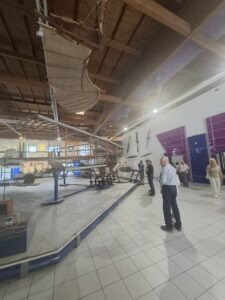
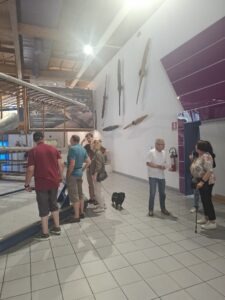
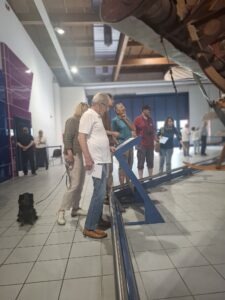
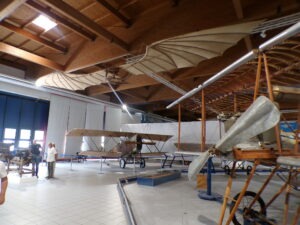
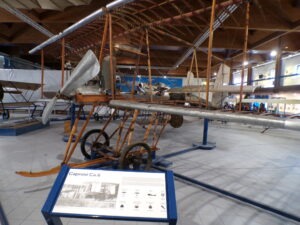
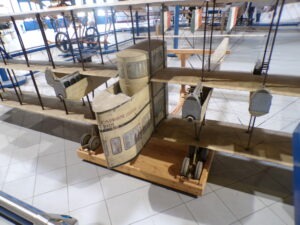
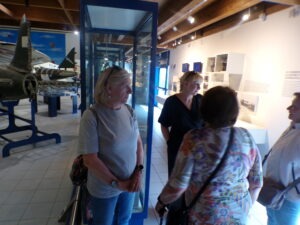
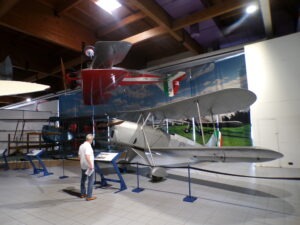
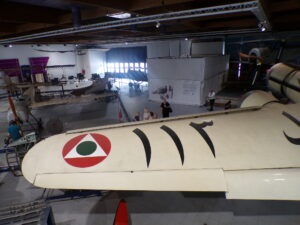
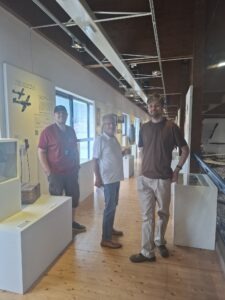
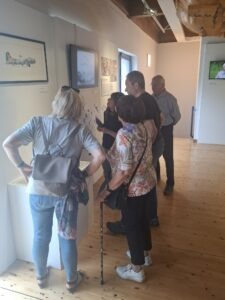
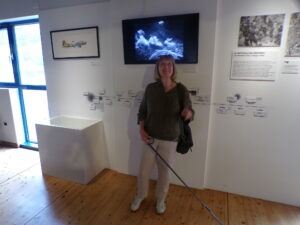
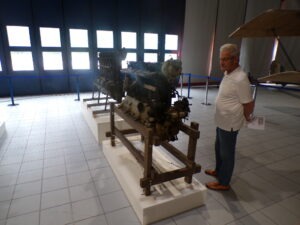
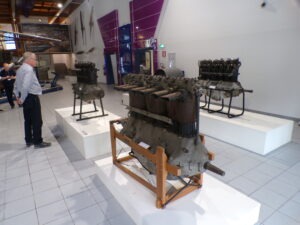
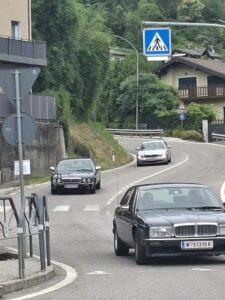
After a hearty breakfast, we said goodbye to our lovely hosts at the Sittnerhof and set off for our next destination, Trento. From Merano, a particularly scenic route takes you past the foothills of the Ortler and along the Brenta Group to Trento. The ‘Museo dell’aeronautica Gianni Caproni’ at Trento Airport offers a brief overview of the development of aircraft and stories about military aircraft from the First and Second World Wars.
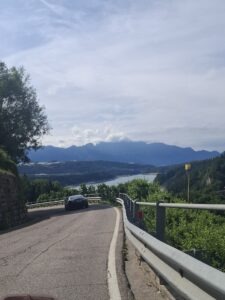
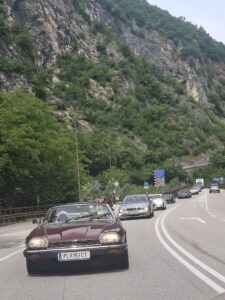
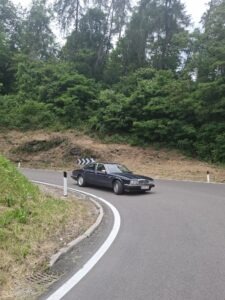
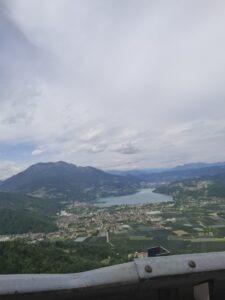
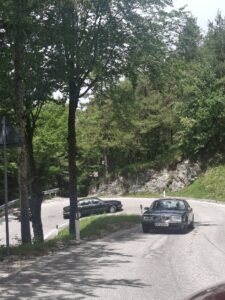
Another highlight of our tour was the drive along the Kaiserjäger Panoramic Road. From Lake Caldonazzo, at 449 metres above sea level, the road winds its way for a distance of approximately 10 km up to Monteroveri, at 1,254 metres above sea level.
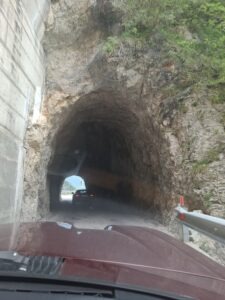
The present-day road was built in 1911 by the engineering units of the Kaiserjäger Regiment. To the south of the road lay the border between Austria-Hungary and Italy at that time – what would later become the Italian Front. Anyone who could tear their eyes away from the road was treated to magnificent views of the mountains and Lake Caldonazzo. We were lucky that no oncoming cars crossed our path on the narrow, single-lane sections of the road.
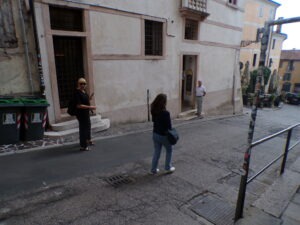
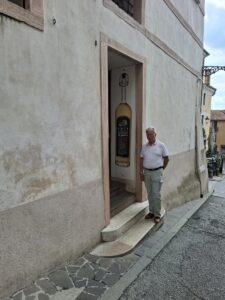
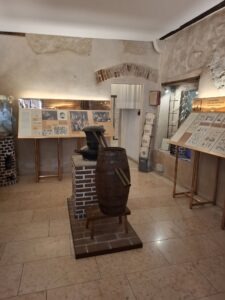
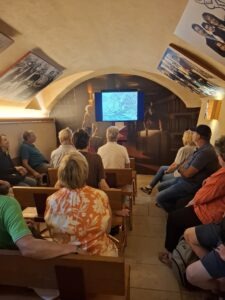
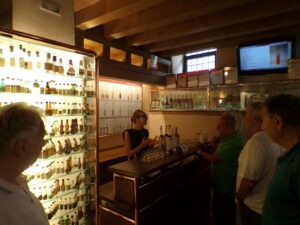
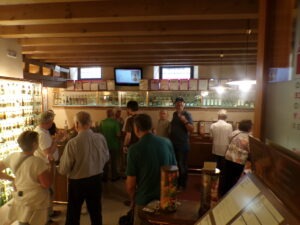
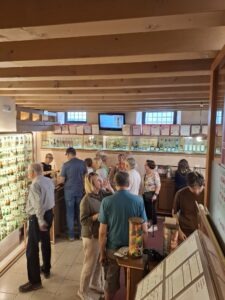
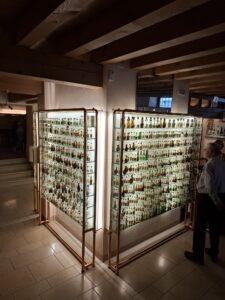
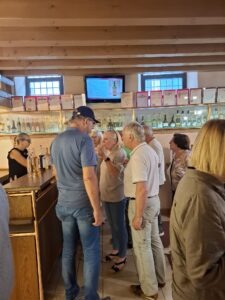
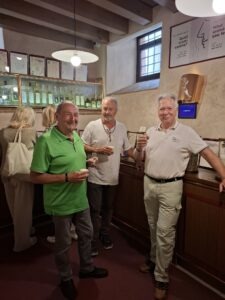
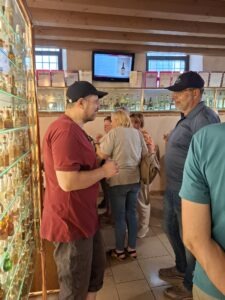
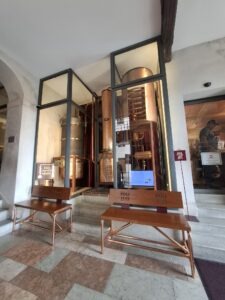
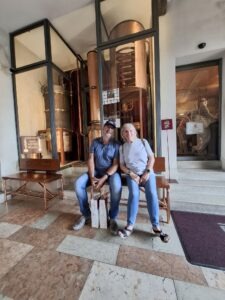
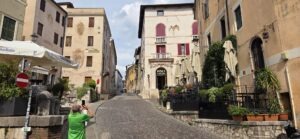
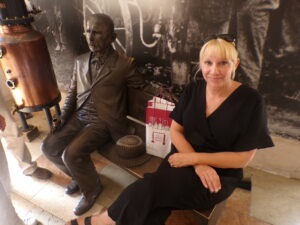
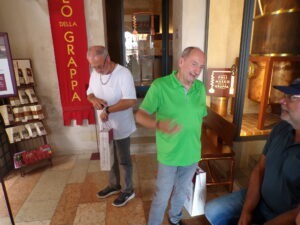
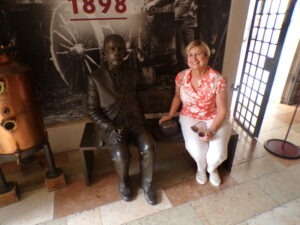
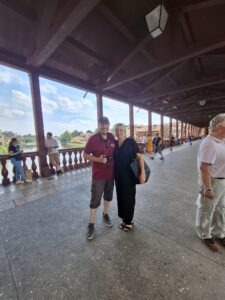
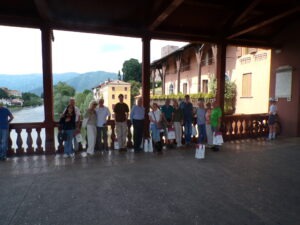
Via Asiago and Fontanelle, we arrived in Bassano, a very charming old town with plenty of sights. Our visit to the ‘Poli Grappa Museum’ included a guided tour followed by a tasting of various flavours of grappa.
We left the hilly countryside behind and arrived in the plains of the Veneto region.
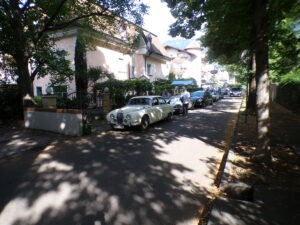
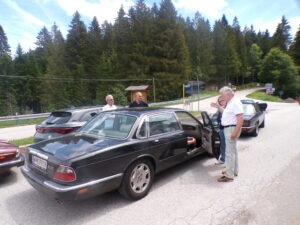
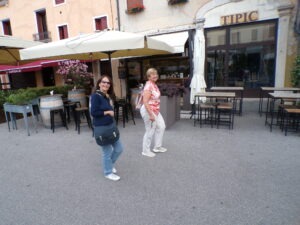
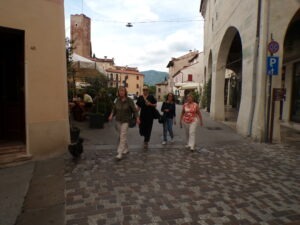
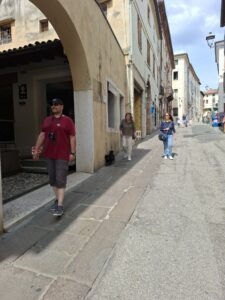
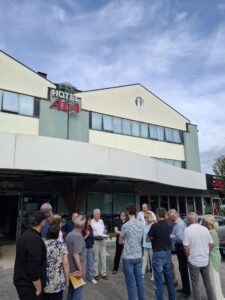
In Treviso, we checked into the Hotel ALA.
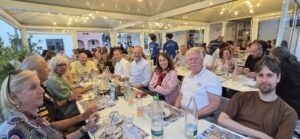
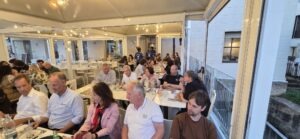
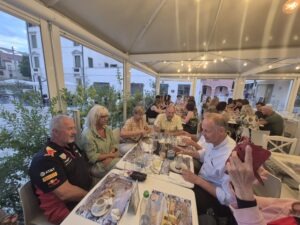
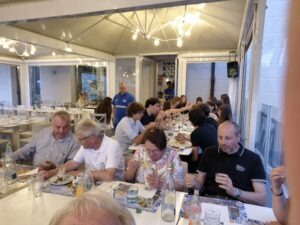
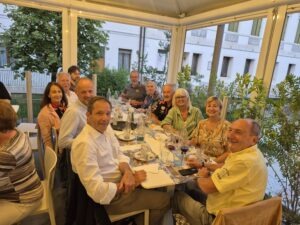
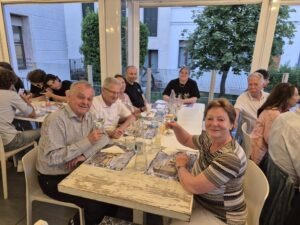
For dinner, we strolled into the centre of Treviso to the ‘Caprese’ restaurant.
Friday:
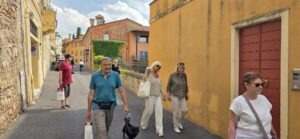
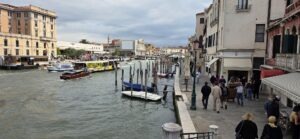
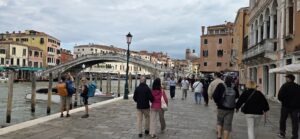
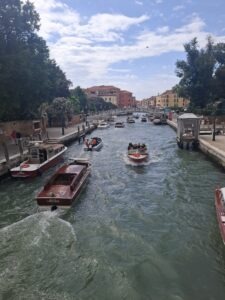
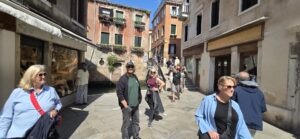
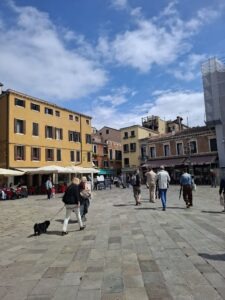
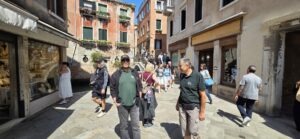
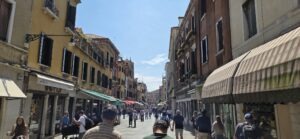
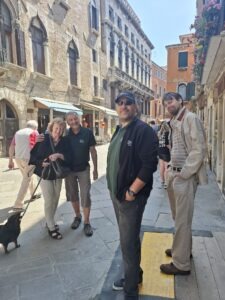
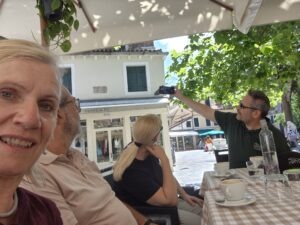
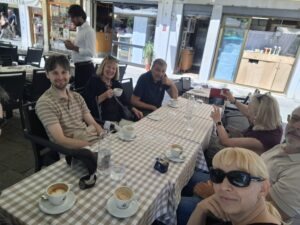
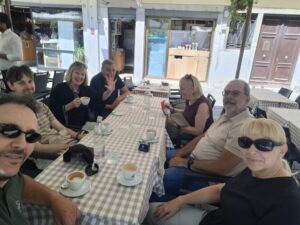
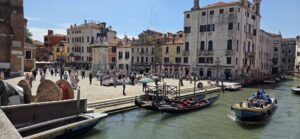
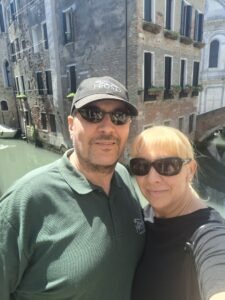
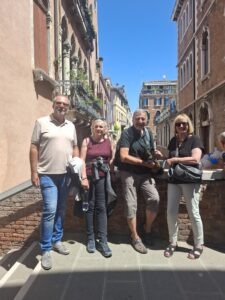
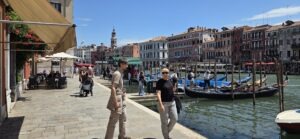
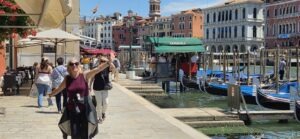
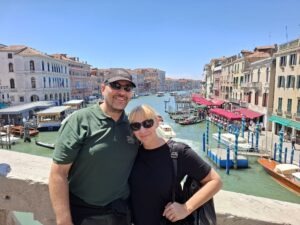
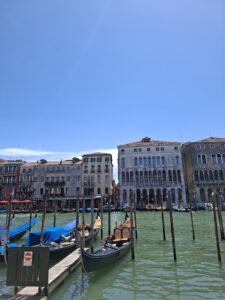
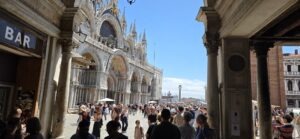
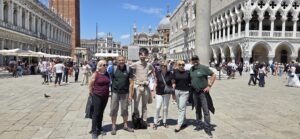
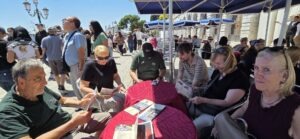
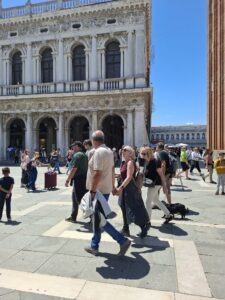
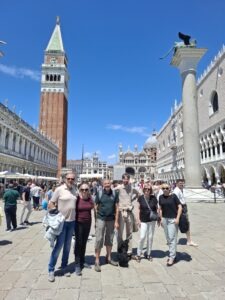
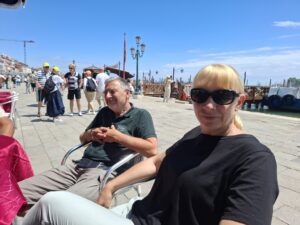
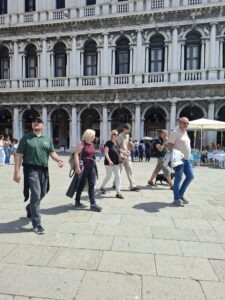
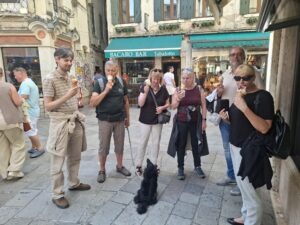
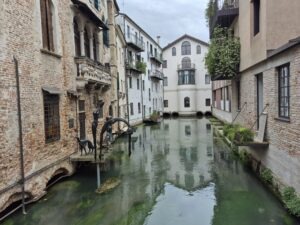
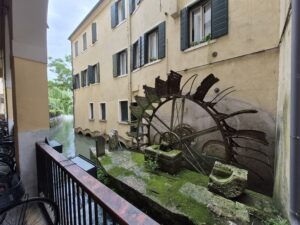
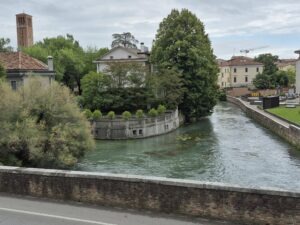
Friday was set to be another day of relaxation. The bus station was opposite the hotel. From there, we travelled directly to the centre of Treviso. Other participants took the hotel bus, which took them to Piazzale Roma in Venice. In Venice, they enjoyed the atmosphere of the lagoon city, the narrow alleyways and the inviting cafés. After six hours, with aching feet and their heads full of new impressions, they were picked up again by the hotel bus and taken back to the hotel in Treviso. Even little Amelie walked the whole way through the crowds on her little legs.
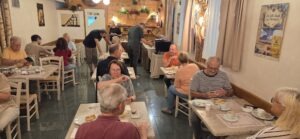
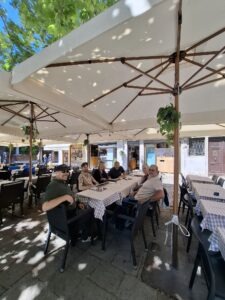
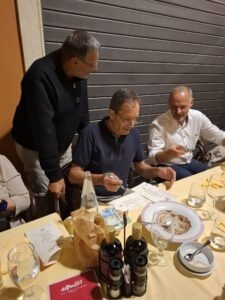
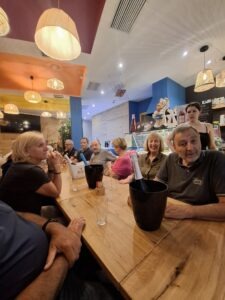
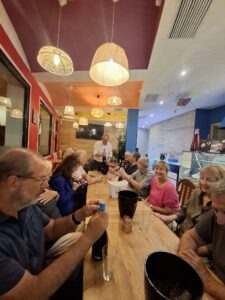
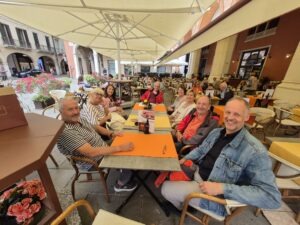
For dinner, we took the bus into the city centre to the ‘Da Pino’ restaurant.
The food was good, the service poor, and the bill proved problematic. The restaurant wanted to issue a single bill. After a brief discussion, Sebastian took charge of the bill and then collected payment from each of us separately. Furthermore, the restaurant tried to charge us twice for the cover charge. At EUR 2.50 per person, this amounted to a not inconsiderable sum for 20 people. However, this was rectified.
Saturday:
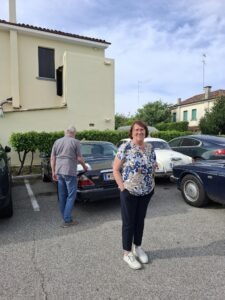
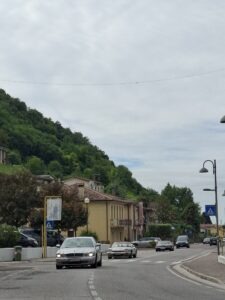
The journey took us north into the Carnic Alps. Our destination for the day was Pesariis. We soon left the Venetian plain behind and entered the hilly countryside around Conegliano. Ponte nelle Alpi is already situated at 400 metres above sea level.
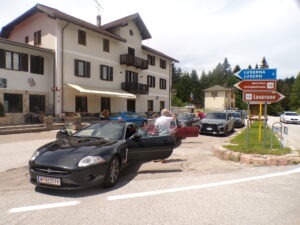
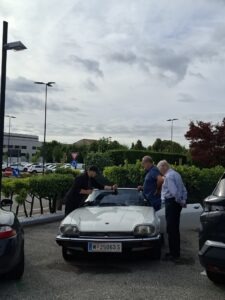
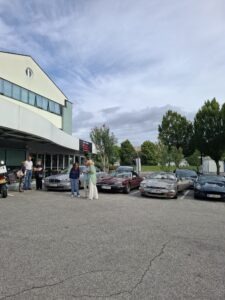
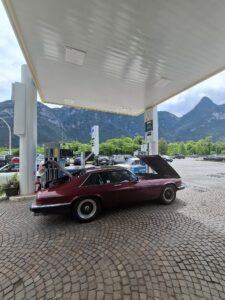
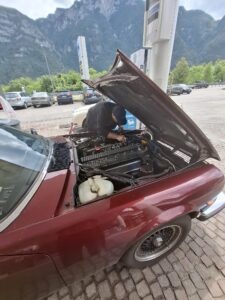
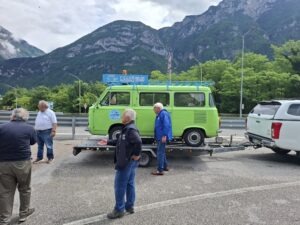
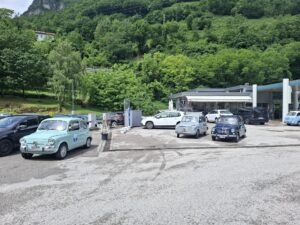
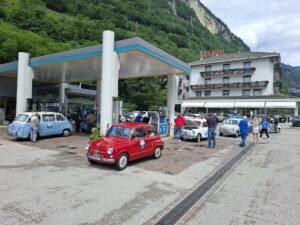
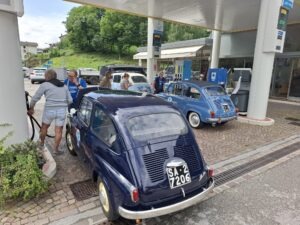
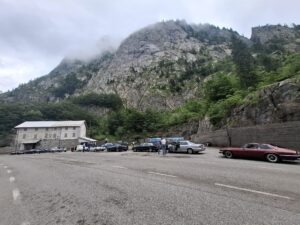
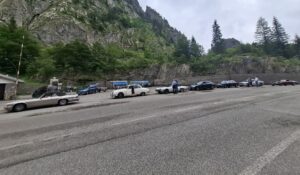
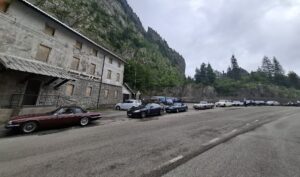
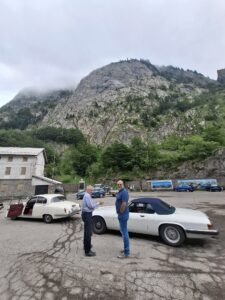
Just before Longarone, we stopped for a short break at the 4-Valli hotel and restaurant. Longarone became famous in 1963 when a massive rockslide caused the reservoir to overflow, completely destroying the entire town of Longarone.
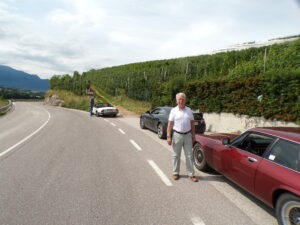
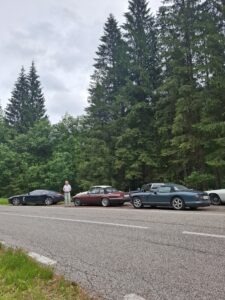
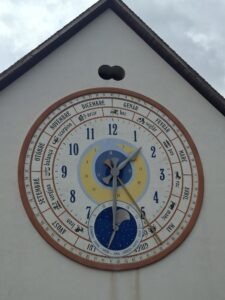
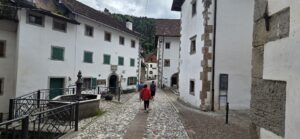
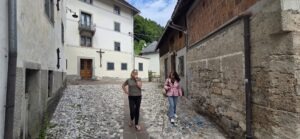
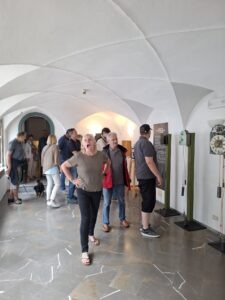
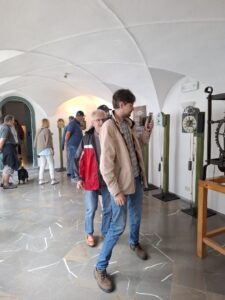
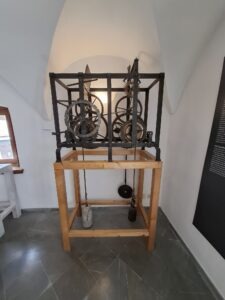
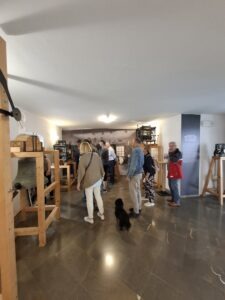
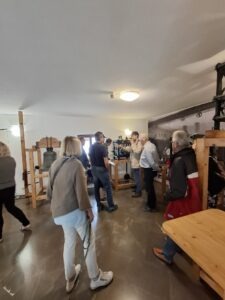
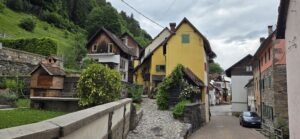
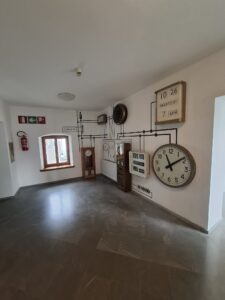
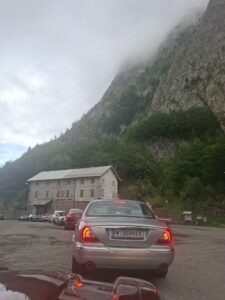
After a quick snack for us and the cats, we set off again. Passing by Lago di Cadore, we head up to Vigo di Cadore in the southern Carnic Dolomites. Stretching for 18 kilometres, the mountain pass road up to the Sella Ciampigotto, at an altitude of 1,790 m, offers a number of beautifully sweeping bends that wind their way through a magnificent mountain landscape. From Sella Ciampigotto, the rather gentle pass road leads back down to Pesariis. In Pesariis, many typical stone houses are still well maintained, and no fewer than 15 monumental clocks chime in the streets. The craft of clockmaking has a long tradition in this village. Clocks for bells and bell towers have been produced here since 1725. We treat ourselves to a break at the ‘Da Sordo’ restaurant. Afterwards, a visit to the clock museum was on the agenda. Here, Bernhard took over as our guide. His expert knowledge is astonishing, and we learnt interesting details about how clocks work and the differences between them.
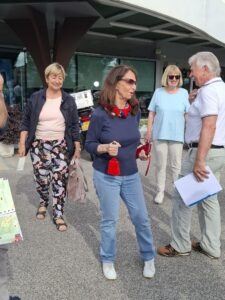
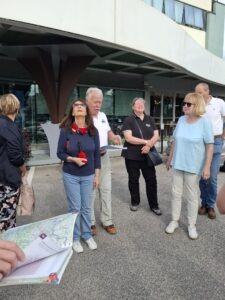
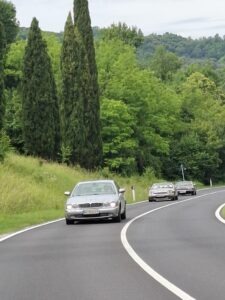
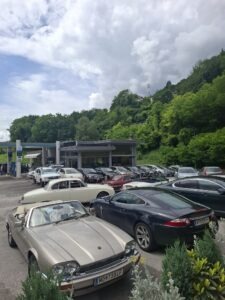
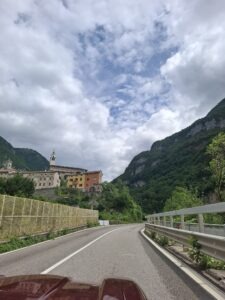
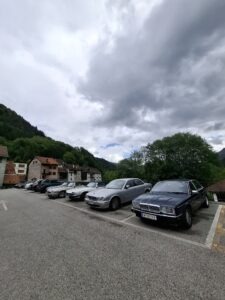
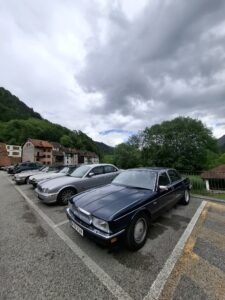
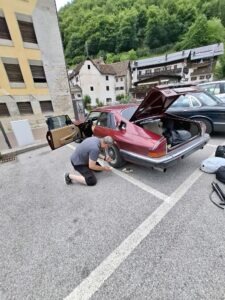
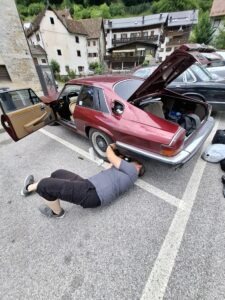
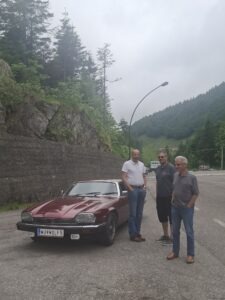
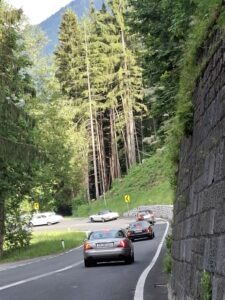
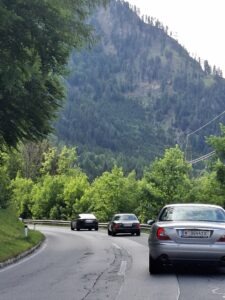
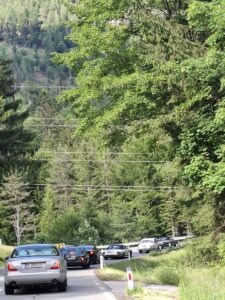
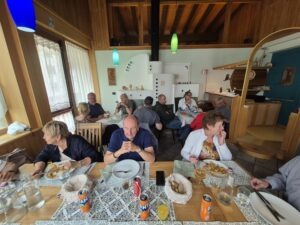
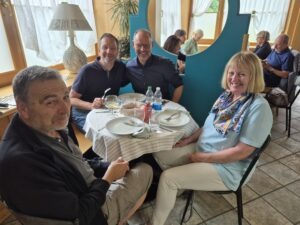
We cross the southern Carnic Alps at an altitude of between 500 and 1000 m. We head east at first, then turn north at Paluzza until we finally reach the Plöcken Pass at an altitude of 1357 m. From there, we head down into the Drau Valley, following the course of the Drau, and just before Spittal we turn off towards Gmünd. Once in Gmünd, we check in at the Hotel Platzer. Dinner at the Hotel Platzer.
Sunday:
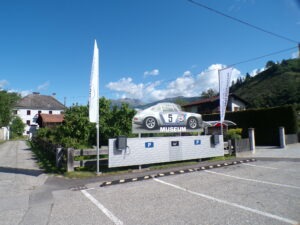
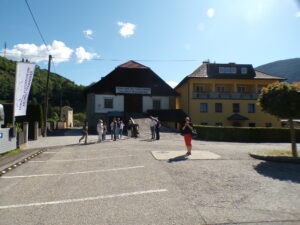
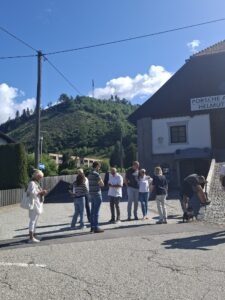
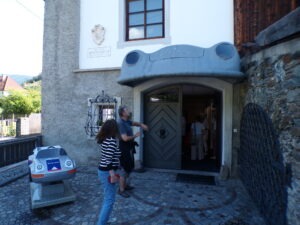
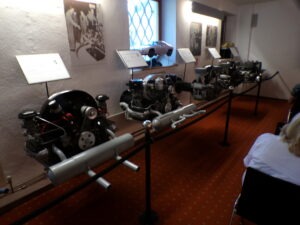
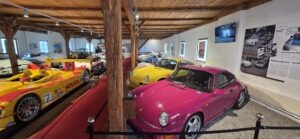
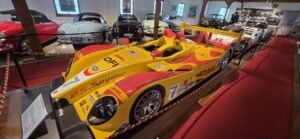
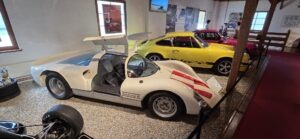
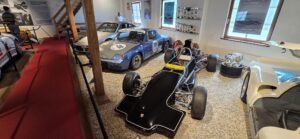
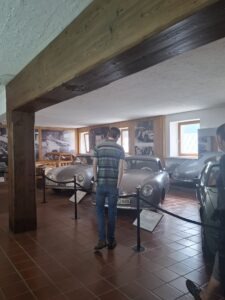
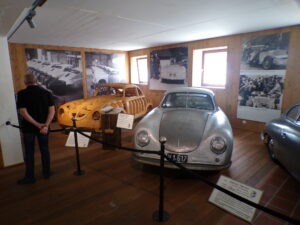
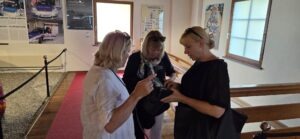
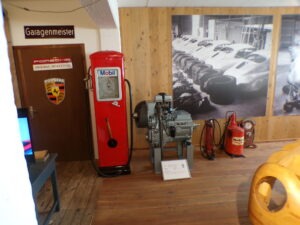
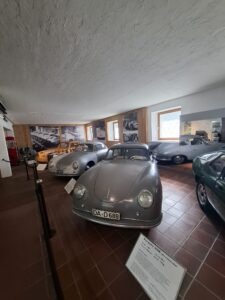
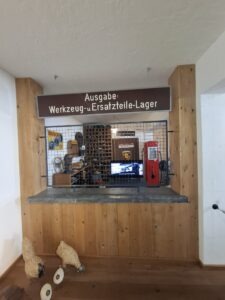
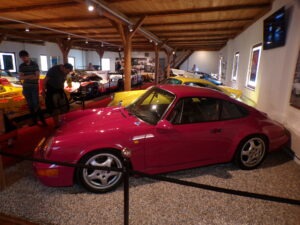
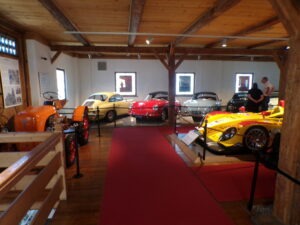
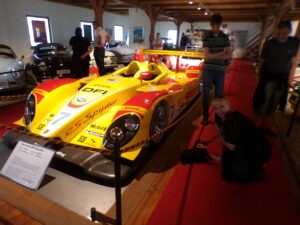
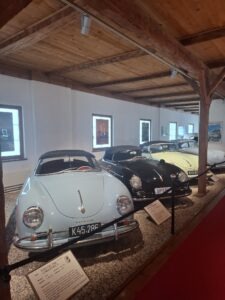
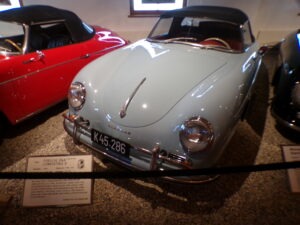
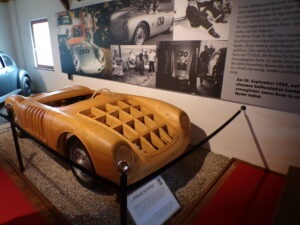
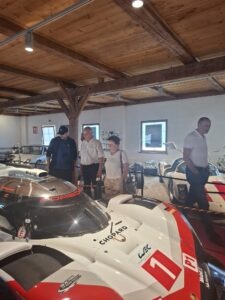
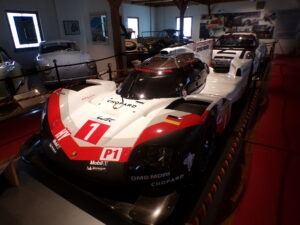
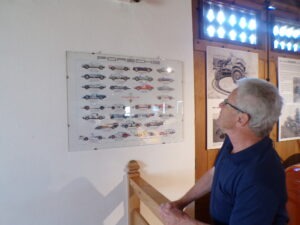
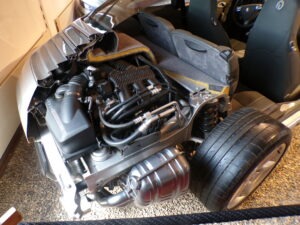
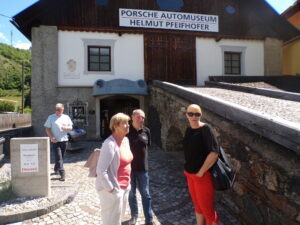
We visit the ‘Porsche Automuseum Helmut Pfeifhofer’ in Gmünd. Gmünd is the official birthplace of the Porsche sports car brand. Due to the Second World War, the design office was relocated here in 1944. Between 1948 and 1950, the very first legendary models and small-series production cars bearing the Porsche name were built in Gmünd. On display here are everything from the Type 356 and various 911 models to cars from the Le Mans series. The museum is small but excellent.
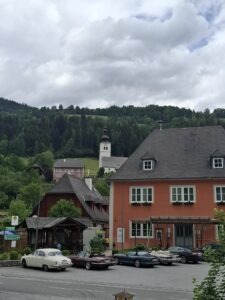
Our next stop is Ranten on the Murtalstraße. Unfortunately, the road through Tamsweg was closed due to an event, and a single sign pointed to a diversion away from the main square. This posed a problem for our lead car: which way to go next? Naturally, the wrong exit from Tamsweg was taken, but Michael used his sat-nav to find a beautiful alternative route via Prebersee to Ranten. Not all participants followed Michael; they used their sat-navs to take the quicker route via the Murtalstraße.
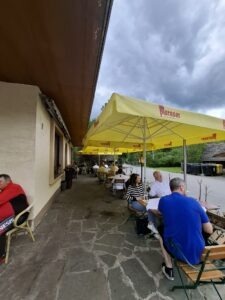
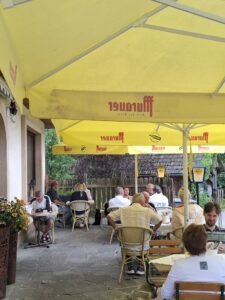
Lunch was planned at the ‘Hammerschmied’ restaurant in Ranten. The buffet was already open there, but à la carte dining was also available. The finale at the Hammerschmied inn was very entertaining thanks to the witty landlord.
This marked the official end of our tour. After saying our goodbyes, the participants chose different routes to make their way home.
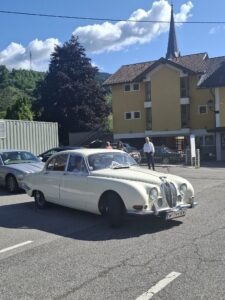
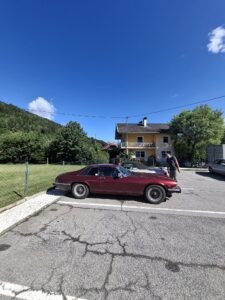
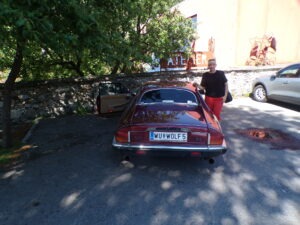
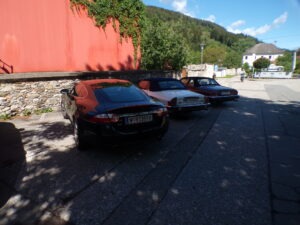
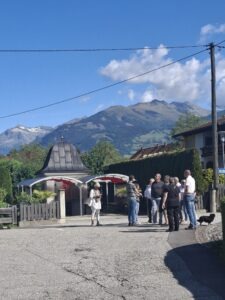
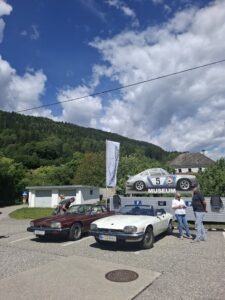
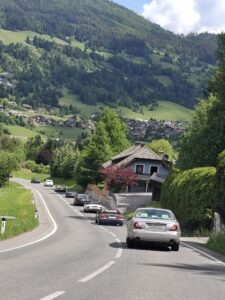
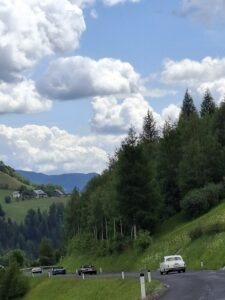
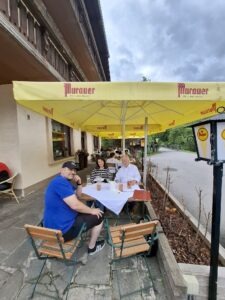
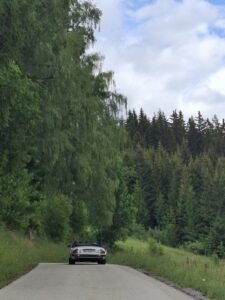
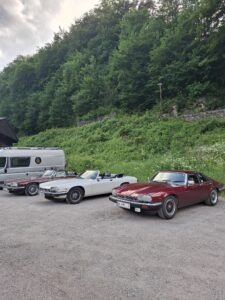
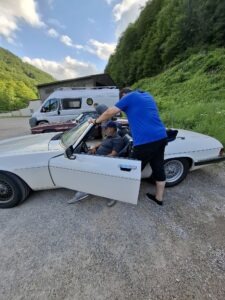
Summary: This week was an all-round successful and wonderful experience, packed with ‘highlights’. Fantastic museums, beautiful landscapes, mountain roads that were at times secluded and steep, romantic towns, a harmonious atmosphere amongst the participants, good hotels and plenty of breaks. For Sebastian, his three cycling trips were the ‘icing on the cake’, especially, of course, the Stelvio Pass, which is always an experience by bike.
Amazingly, all the cats also made it through without any serious illness.
We’re looking forward to the next tour.
Our thanks go to the participants:
Christina and Werner,
Brigitte and Michael,
Sebastian and Werner,
Dieter,
Andrea and Gerhard,
Silvia and Werner,
Christine and Peter,
Marion and Wolfgang,
Brigitta and Alberto,
Bernhard,
Maria and Heinz,
Alexandra and Michael
and St Peter, who looked after us with the weather.


New comments